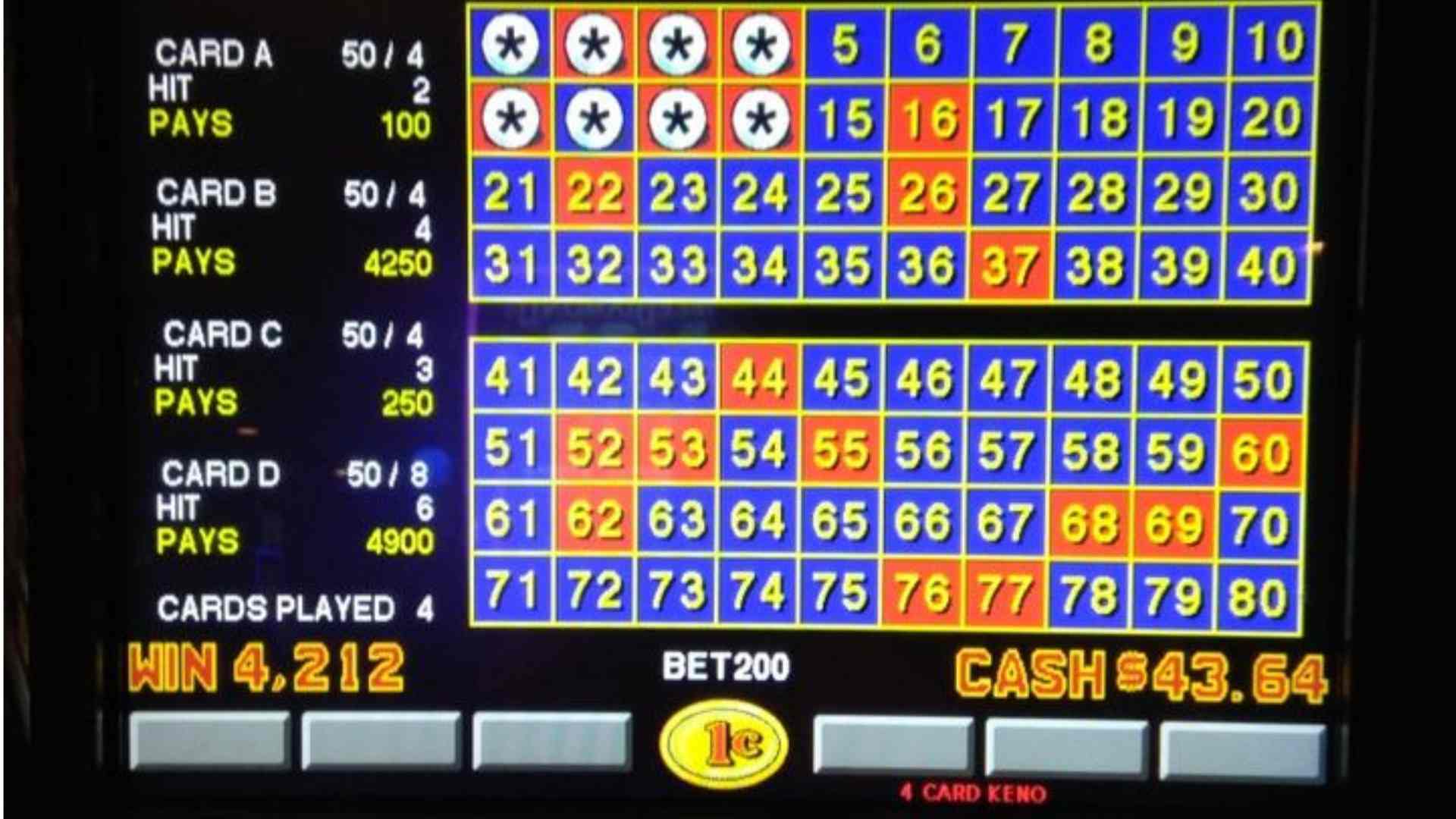
Participating in digital number games requires a delicate balance between strategy, probability, and personal discipline. While many players focus on decoding mathematical patterns or developing selection techniques, self-control remains the ultimate deciding factor in long-term enjoyment. Recognizing the ideal moment to conclude a session protects both financial boundaries and emotional well-being, turning casual play into a sustainable pursuit.
Understanding the Psychology of Session Limits
The human brain naturally seeks closure and reward, especially during interactive digital experiences. When players experience a winning streak, dopamine release often encourages them to extend their play beyond initial plans. Conversely, unexpected losses can trigger a strong desire to recover outcomes immediately, leading to emotional decision-making.
Developing awareness around these mental triggers allows individuals to maintain objective control. By recognizing when excitement begins to override logical choices, players can intentionally step away before fatigue sets in. Mastering this psychological boundaries ensures that entertainment remains positive and stress-free.
The Mathematical Reality of Extended Play
Every numerical game operates on strict statistical probabilities designed to function predictably over long periods. Statistical variance guarantees natural fluctuations in short sessions, but prolonged participation aligns results closer to theoretical house averages. Continuing to play indefinitely increases exposure to this mathematical certainty.
Knowing when to stop allows participants to lock in short-term favorable results or minimize potential downside during low-frequency cycles. Understanding these mechanics helps players view each session as a distinct event rather than an endless continuous process. Smart session management respects the mathematical boundaries of probability.
Establishing Clear Pre-Game Boundaries
The most effective strategy for knowing when to halt participation is establishing firm rules prior to starting. Setting pre-defined limits for both time duration and session budget eliminates guesswork while active play is underway. Automated tools offered by reputable digital platforms can further reinforce these personal guidelines.
When individuals stick to predetermined stop points, they eliminate the emotional turbulence associated with sudden strategy changes. Exercising disciplined restraint creates a healthier relationship with casual gaming platforms over time. Consistency in applying these boundaries turns temporary control into a long-term habit.
Preserving Entertainment Value Over the Long Run
Number games are fundamentally built to serve as accessible forms of modern digital entertainment. When session duration stretches too far, the initial fun often diminishes into repetitive or frustrating activity. Stepping away at the right moment keeps the experience fresh, engaging, and enjoyable for future sessions.
Prioritizing self-awareness transforms how participants evaluate success in probability-based games. Choosing to conclude a session on your own terms is the ultimate demonstration of skill and analytical control. Ultimately, emotional balance and strict discipline remain the most valuable assets any player can possess.